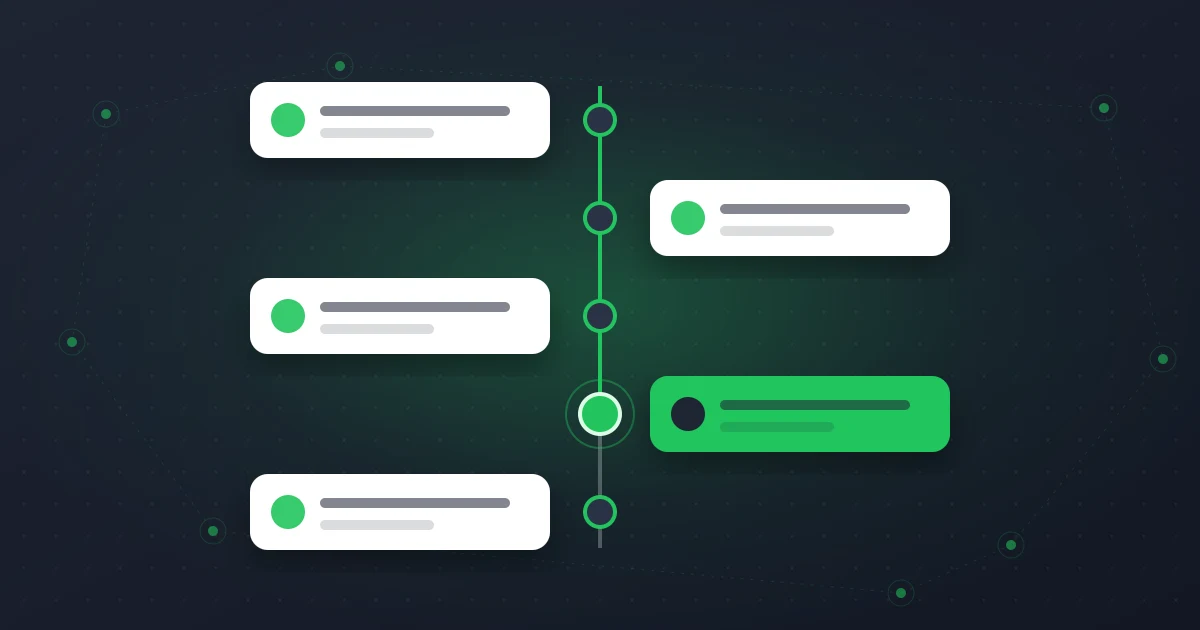
The contact timeline: the 360° view that changes your meetings
Visits, emails, quotes, WhatsApp, meetings: a single timeline per contact transforms how you prepare an exchange. How to build one.
When every channel keeps its own copy of a customer, nobody sees the whole relationship. Here is how unifying customer data works in B2B.
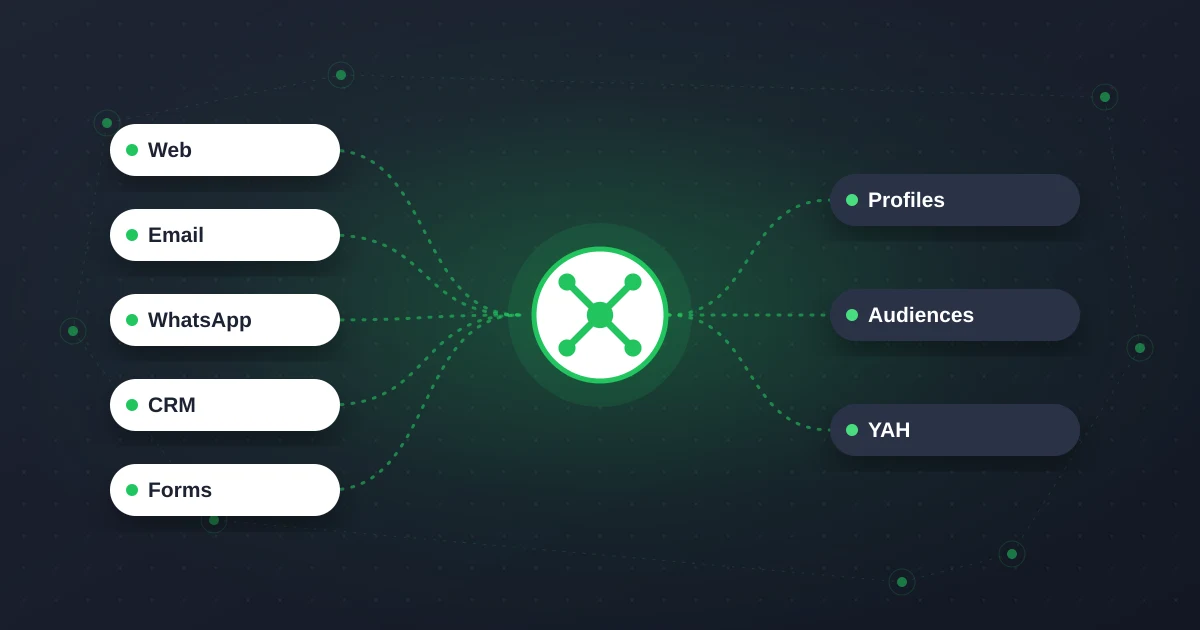
Unifying customer data means collecting what you know about customers and prospects from all your sources, merging it into a single profile per person and per organization, and making it available for analysis and action.
In a B2B company, information lives everywhere: website forms, CRM, inbox, WhatsApp, billing tools, product events. The result: the same contact exists in three versions, nobody sees the full history, and follow-ups happen blind.
B2B adds a layer: you don't sell to an isolated individual but to accounts made of several decision-makers, with long cycles. Unified B2B customer data links people, organizations and events, and keeps the memory of every exchange.
If your teams spend time rebuilding a customer's history, if your segments are manual exports, or if you send messages without knowing what has already been said, it's time to centralize.
See how unified customer data differs from a CRM in our dedicated article, then try Yahdata free for 30 days.
Visits, emails, quotes, WhatsApp, meetings: a single timeline per contact transforms how you prepare an exchange. How to build one.
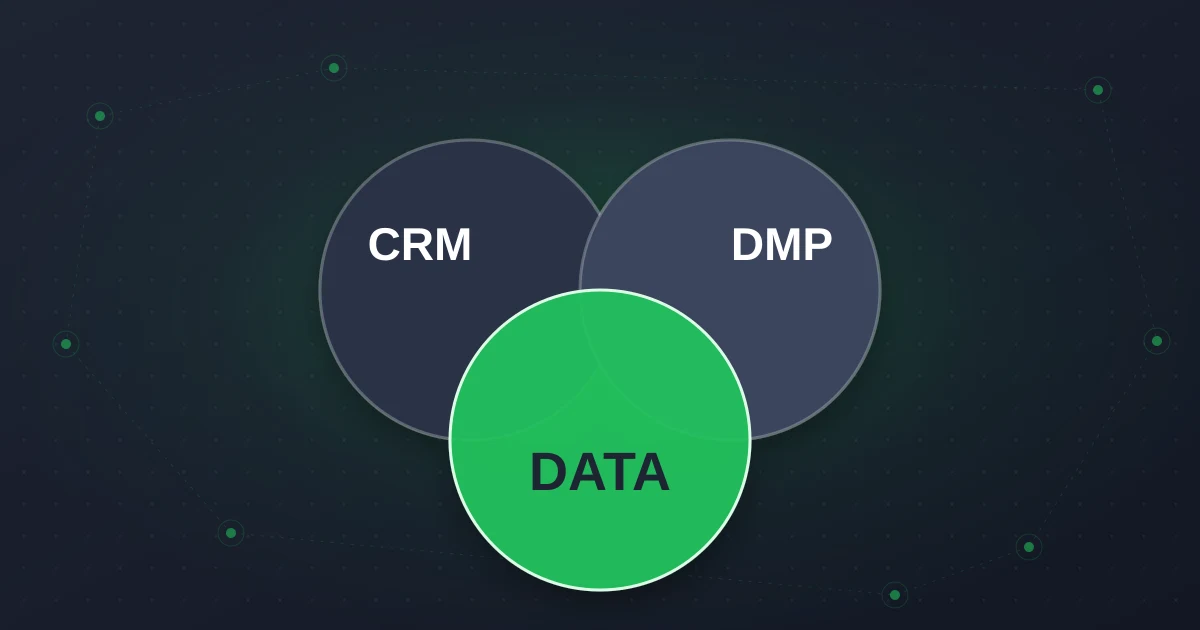
Three kinds of tools, three roles. Here is how a CRM, an advertising data tool (DMP) and a unified customer-data layer differ, and how they complement each other.
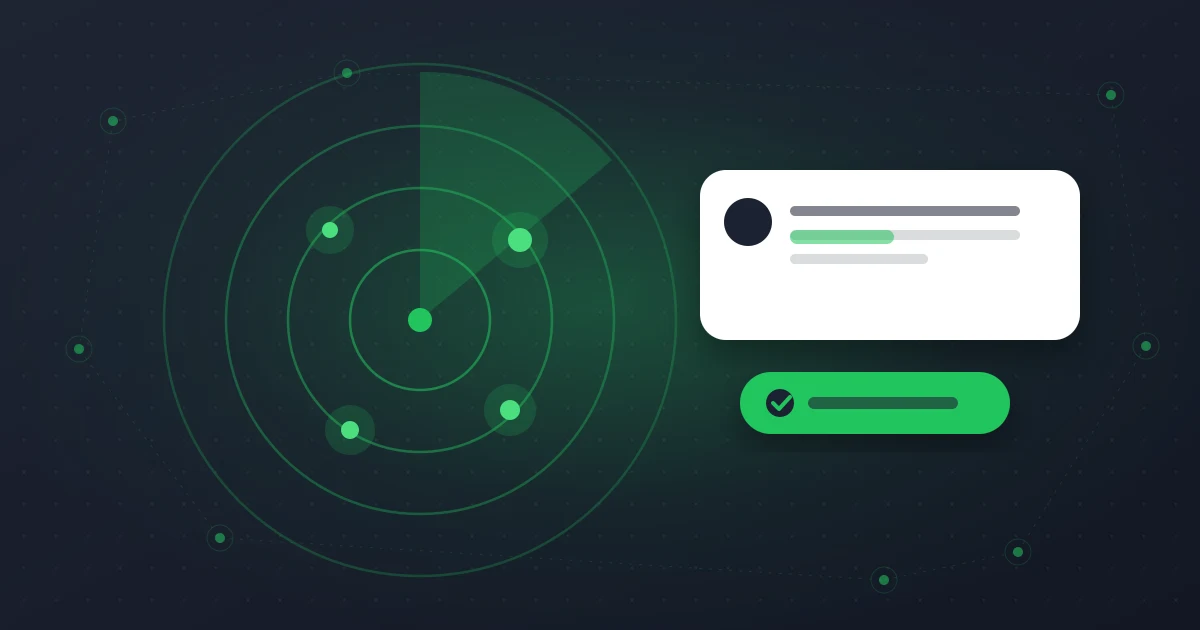
A line in an email, an unusual silence, a new stakeholder: buying signals are everywhere but rarely used. Here is how to detect them.