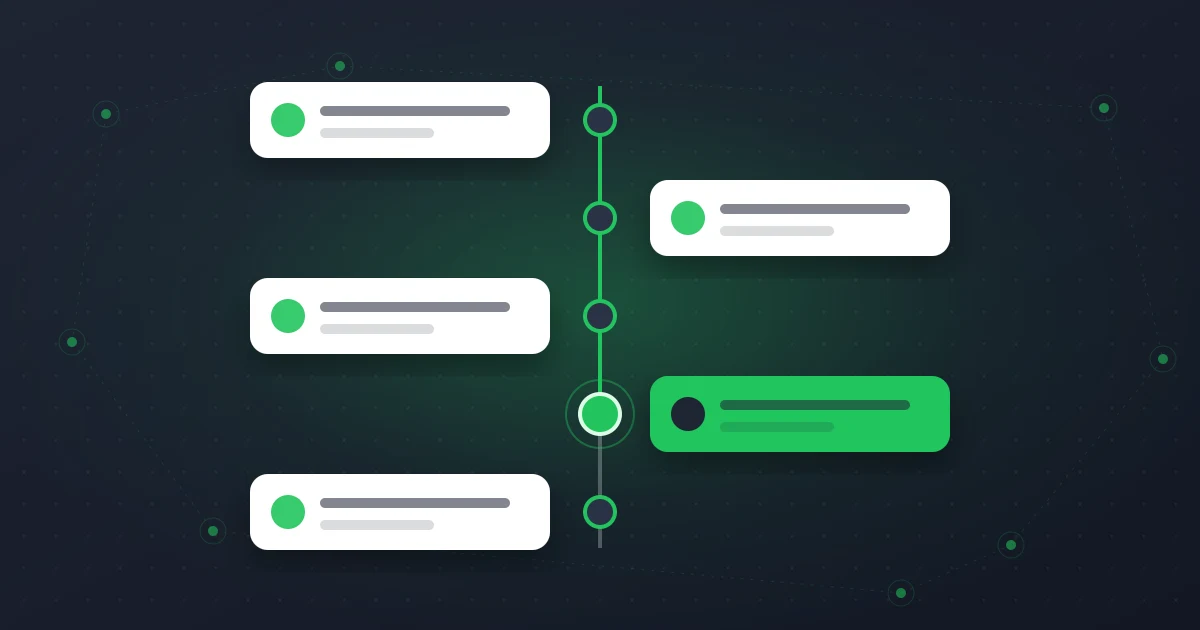
The contact timeline: the 360° view that changes your meetings
Visits, emails, quotes, WhatsApp, meetings: a single timeline per contact transforms how you prepare an exchange. How to build one.
Three kinds of tools, three roles. Here is how a CRM, an advertising data tool (DMP) and a unified customer-data layer differ, and how they complement each other.
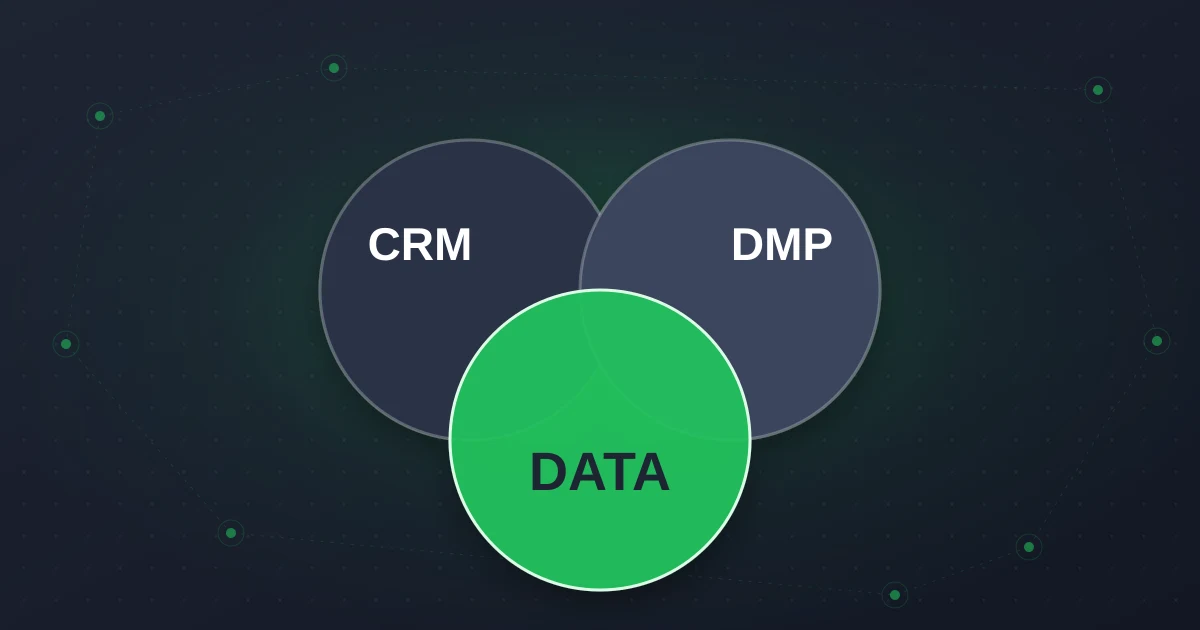
These tools are often confused. Each meets a specific need.
The CRM manages opportunities, accounts and sales follow-up. It is mostly fed by hand by sales teams. It is excellent for running a pipeline, less so for aggregating behavioral data.
A DMP (Data Management Platform) works on anonymous data (cookies, ad identifiers) to target advertising audiences. It doesn't know your customers by name.
A unified customer-data layer works on identified, first-party data: it gathers everything you know about a person across channels and makes it available for segmentation and action.
| CRM | DMP | Unified customer data | |
|---|---|---|---|
| Data | Sales, entered by hand | Anonymous, advertising | Identified, multi-source |
| Main use | Run sales | Target ads | Unify and act |
| Feeding | Manual | Cookies | Automatic |
Unified customer data feeds your CRM with enriched profiles and intent signals, and the CRM sends back sales status. They reinforce each other. The DMP loses relevance as third-party cookies fade.
Keep your CRM to sell, add unified customer data to understand and act. Book a demo to see how Yahdata fits your existing stack.
Visits, emails, quotes, WhatsApp, meetings: a single timeline per contact transforms how you prepare an exchange. How to build one.
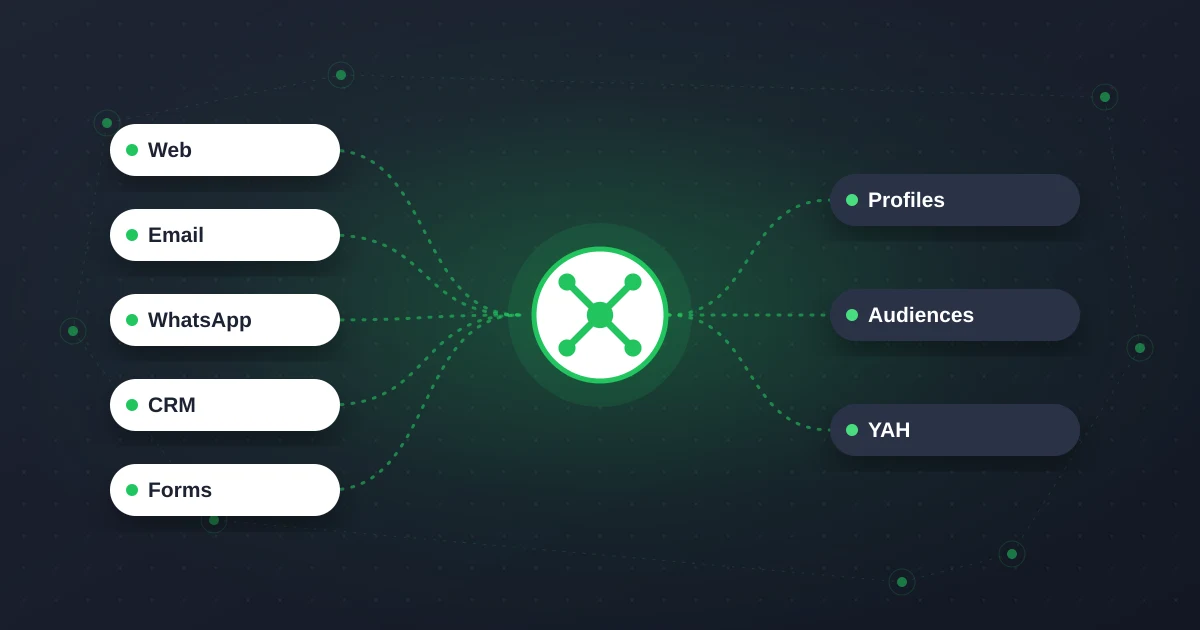
When every channel keeps its own copy of a customer, nobody sees the whole relationship. Here is how unifying customer data works in B2B.
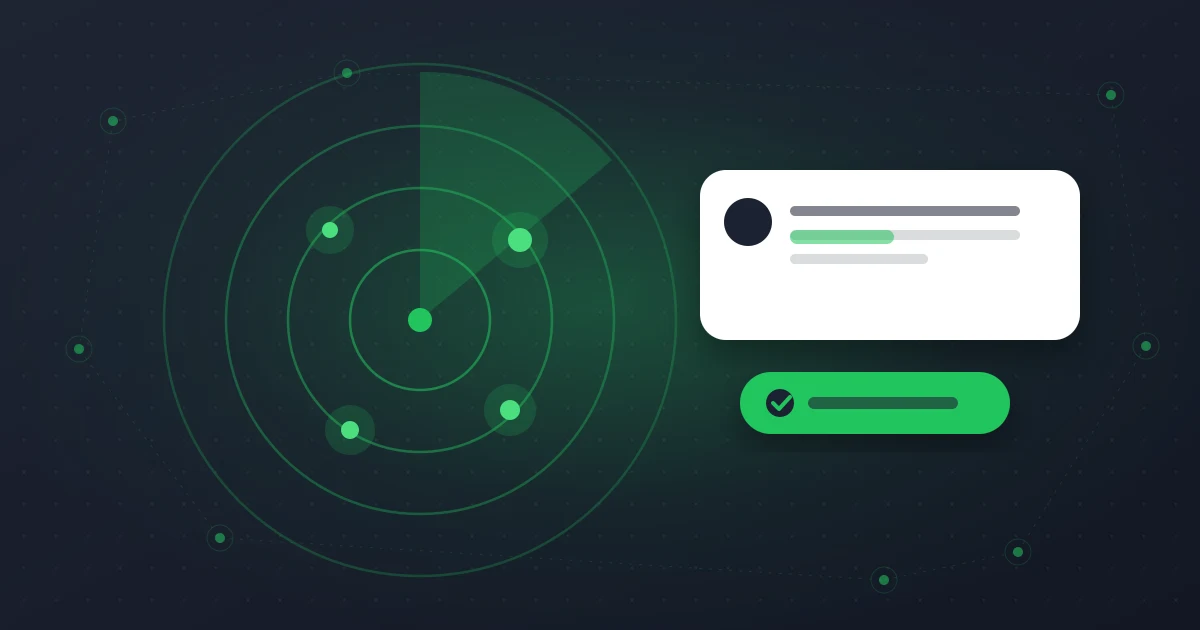
A line in an email, an unusual silence, a new stakeholder: buying signals are everywhere but rarely used. Here is how to detect them.