
Commercial signals in B2B: spotting buying intent in your exchanges
A line in an email, an unusual silence, a new stakeholder: buying signals are everywhere but rarely used. Here is how to detect them.
Good segmentation is not a quarterly exercise. Here is how to build dynamic segments and usable profiles.
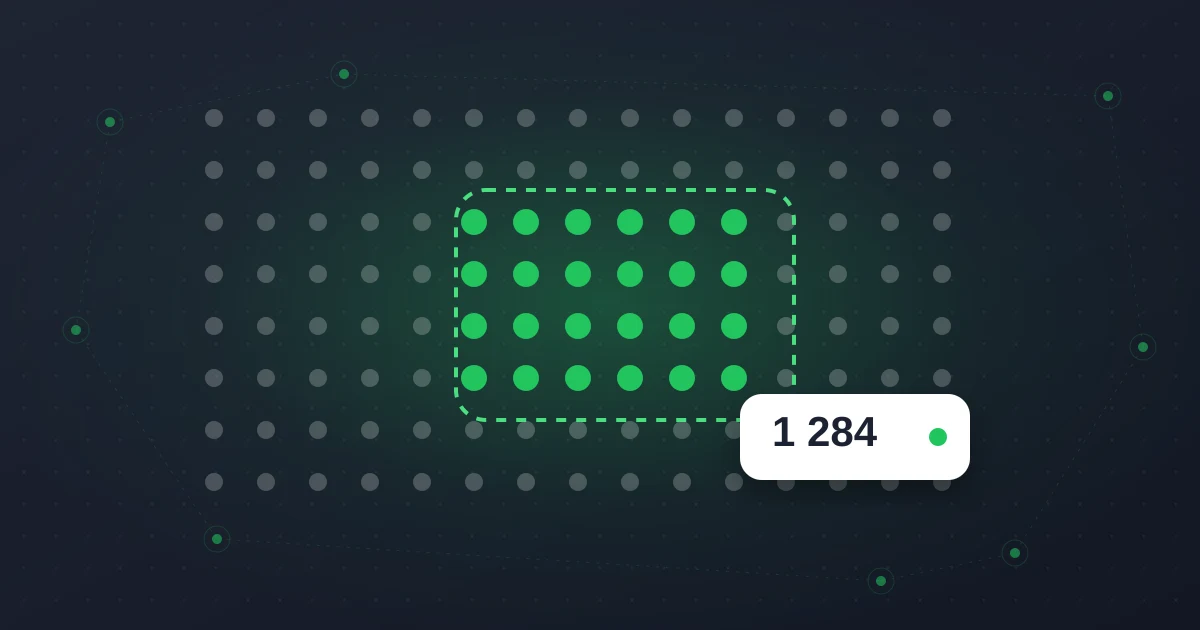
Segmenting means splitting your base into homogeneous groups so you can talk to each differently. Profiling means enriching each contact so you know who they are and what they do.
An exported list is stale the same day. A dynamic segment recalculates continuously: a contact enters and leaves based on their actions. You always speak to the right audience.
Summarizing a contact's history, inferring needs, spotting a buying signal: that's what customer memory does. AI proposes, you approve.
Combine segment, channel and frequency. A journey that stops as soon as the contact replies beats a mass campaign. To structure your audiences, start your trial.
A line in an email, an unusual silence, a new stakeholder: buying signals are everywhere but rarely used. Here is how to detect them.
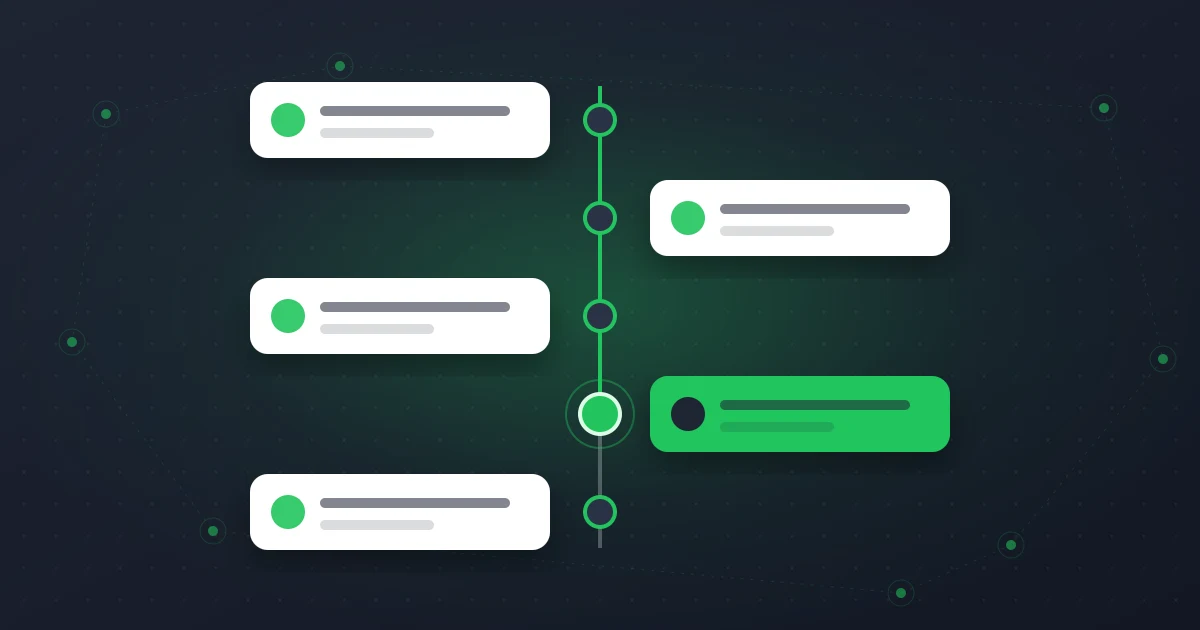
Visits, emails, quotes, WhatsApp, meetings: a single timeline per contact transforms how you prepare an exchange. How to build one.
Keywords, topic clusters, internal linking and measurement: a simple method to turn your blog into a B2B acquisition channel.